

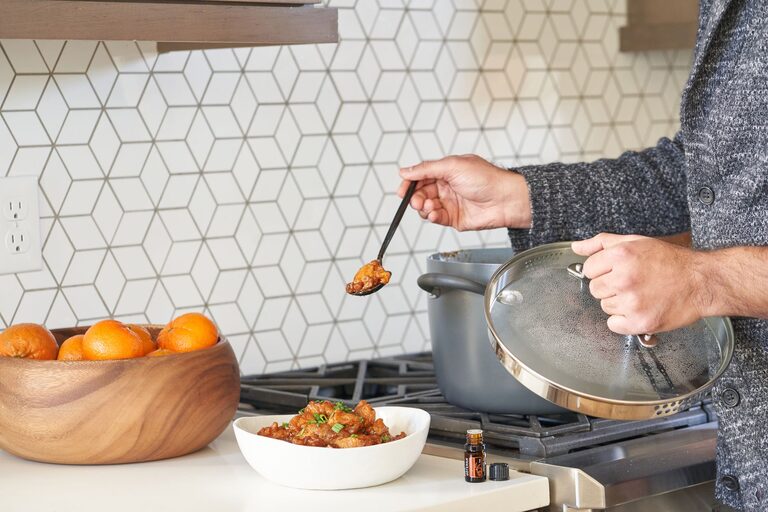
If you’re new to slow cooking, you’re about to discover one of the most convenient and hands-off ways to prepare meals. A slow cooker is a countertop appliance that cooks food at low temperatures over an extended period. It’s perfect for busy days, allowing you to set it and forget it while your meal simmers to perfection. This beginner guide will walk you through everything you need to know to get started.
What is a Slow Cooker?
A slow cooker, also known as a Crock-Pot (a popular brand), uses low, steady heat to cook food slowly. It consists of a ceramic or porcelain pot surrounded by a heating element and usually comes with a lid that helps trap moisture and heat inside. Unlike ovens or stovetops, slow cookers cook food over several hours, making tough cuts of meat tender and blending flavors beautifully.
Benefits of Using a Slow Cooker
– Convenience: Simply add ingredients, set the temperature, and leave it.
– Time-saving: Great for meal prep and busy schedules.
– Energy efficient: Uses less electricity than an oven.
– Enhances flavor: Slow, gentle cooking deepens flavor profiles.
– Tenderizes tough cuts: Perfect for inexpensive meats.
– Healthy meals: Can cook meals without added fats or oils.
Choosing Your Slow Cooker
If you don’t have a slow cooker yet, here are a few things to consider:
– Size: Slow cookers come in sizes from 1.5 to 8 quarts. A 4-6 quart size is versatile for most households.
– Shape: Oval cookers are good for roasts and longer cuts; round is better for soups or stews.
– Settings: Most have low, high, and warm settings; some models include timers or programmable features.
– Ease of cleaning: Removable ceramic pots are dishwasher safe, which makes cleanup easier.
How to Use a Slow Cooker: Step-by-Step
1. Prep Your Ingredients
Most slow cooker recipes call for chopping vegetables, trimming meat, and measuring spices. While some ingredients can be added straight to the pot, browning meat or sautéing onions before adding can improve flavor but is optional.
2. Layer Ingredients Properly
Place root vegetables like potatoes and carrots at the bottom because they take longer to cook. Layer meat on top, then add liquids such as broth, sauce, or water. This layering helps even cooking.
3. Choose the Right Setting
– Low: Cooks food slowly over 6-10 hours; ideal for tenderizing.
– High: Cooks food faster, about 3-6 hours.
– Keep Warm: Maintains temperature once cooking is finished.
4. Avoid Opening the Lid
Each time you lift the lid, heat escapes and cooking time increases. Only open the lid to stir if the recipe specifically suggests it.
5. Finish and Serve
Once cooking time is complete, check food for doneness. Add fresh herbs or dairy like cream or cheese at the end for better texture and flavor.
Slow Cooker Safety Tips
– Don’t overfill: The pot should be ½ to ⅔ full for best results.
– Use fresh ingredients: Avoid freezing and reheating in the slow cooker.
– Store leftovers promptly in the refrigerator.
– Use a food thermometer to check meat is properly cooked.
Easy Slow Cooker Recipes for Beginners
Hearty Beef Stew
Ingredients:
– 2 lbs beef chuck, cubed
– 4 carrots, sliced
– 3 potatoes, diced
– 1 onion, chopped
– 2 cups beef broth
– 2 tbsp tomato paste
– 1 tsp thyme
– Salt and pepper to taste
Instructions:
- Brown beef in a pan (optional).
- Add all ingredients to slow cooker.
- Cook on low for 8 hours or high for 4–5 hours.
- Serve with crusty bread.
Chicken and Vegetable Soup
Ingredients:
– 1 lb chicken breasts
– 3 celery stalks, chopped
– 3 carrots, sliced
– 1 onion, diced
– 4 cups chicken broth
– 1 cup green beans
– Salt, pepper, and herbs like parsley or thyme
Instructions:
- Place all ingredients in slow cooker.
- Cook on low for 6-7 hours or high for 3-4 hours.
- Remove chicken, shred it with forks, then return to soup.
- Adjust seasoning and enjoy.
Tips for Slow Cooker Success
– Cut vegetables into uniform sizes for even cooking.
– Use less liquid than stovetop recipes since slow cookers retain moisture.
– Avoid dairy and delicate herbs until the end to prevent curdling and fading flavors.
– Check recipes for cooking times, as longer cooking can sometimes dry out food.
Cleaning and Maintenance
After cooking, allow the ceramic insert to cool before cleaning. Most inserts and lids are dishwasher safe. Regularly check the heating element for spills and wipe down with a damp cloth. Store your slow cooker in a dry spot when not in use.
—
Using a slow cooker is a fantastic way to make mealtime easier and more enjoyable, especially if you’re new to cooking or short on time. With a little preparation and some reliable recipes, you’ll quickly master this handy kitchen tool. Give it a try and enjoy warm, hearty meals with minimal effort!