

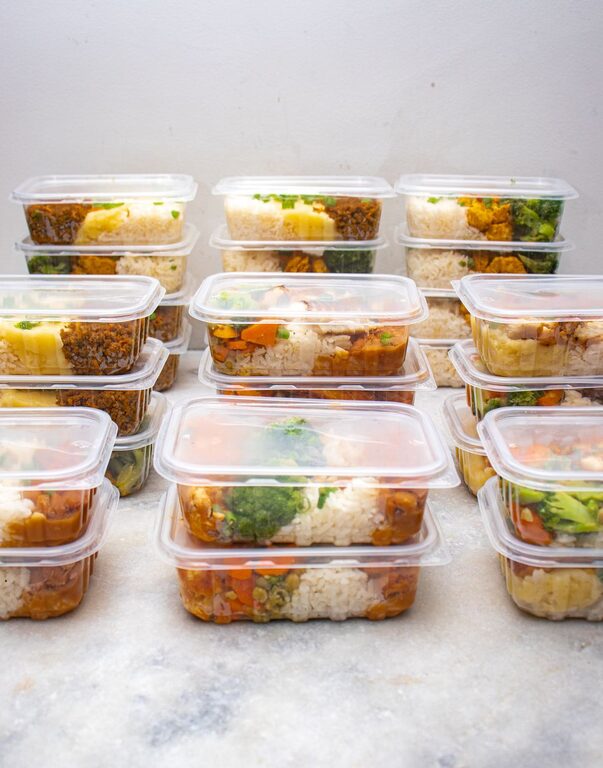
Planning balanced meals doesn’t have to be complicated or stressful. With a little organization and some practical tips, you can enjoy nutritious meals every day without spending hours in the kitchen or worrying about what to eat. This guide will help you develop a simple, stress-free approach to meal planning that fits your lifestyle and keeps your nutrition on track.
Why Balanced Meals Matter
Balanced meals provide your body with the essential nutrients it needs to function well. They typically include a mix of:
– Proteins (like chicken, beans, or tofu),
– Carbohydrates (whole grains, fruits, vegetables),
– Healthy fats (nuts, seeds, avocado),
– Vitamins and minerals from a variety of colorful foods.
Eating balanced meals supports energy levels, helps maintain a healthy weight, improves mood, and promotes overall wellness.
Step 1: Start With a Simple Meal Plan
You don’t need to plan every single meal for the week down to the last detail. Begin with a basic meal plan template:
– Plan for three main meals a day.
– Include snacks if you usually have them.
– Aim to incorporate different food groups in each meal.
For example:
| Meal | Protein | Carbs | Veggies/Fruits | Healthy Fats |
|———–|————–|——————|——————-|———————-|
| Breakfast | Eggs or yogurt | Whole grain toast | Berries or banana | Nuts or seeds |
| Lunch | Grilled chicken | Brown rice | Steamed broccoli | Olive oil drizzle |
| Dinner | Fish or beans | Quinoa or sweet potato | Salad or roasted veggies | Avocado slices |
Step 2: Use a Grocery List to Stay Organized
Once you have your meal plan, create a grocery list based on the ingredients you need. This step helps you:
– Avoid last-minute trips to the store,
– Reduce food waste,
– Save money by buying only what you need.
Try grouping your list by categories such as produce, dairy, proteins, and pantry items. This saves time while shopping.
Step 3: Keep Your Kitchen Stocked With Basics
Having staple ingredients on hand makes it easier to pull together balanced meals quickly. Some pantry and fridge essentials include:
– Whole grains (brown rice, quinoa, oats)
– Canned beans or lentils
– Frozen vegetables and fruits
– Cooking oils (olive oil, avocado oil)
– Nuts, seeds, nut butter
– Spices and herbs for flavor
These items can be the base of many simple meals and snacks.
Step 4: Batch Cook and Prep Ahead
To reduce daily cooking time and stress, try batch cooking or preparing ingredients ahead:
– Cook a large batch of grains or beans on the weekend.
– Chop vegetables and store them in airtight containers.
– Prepare protein sources in advance, such as grilled chicken or roasted tofu.
Having ready-to-use components speeds up meal assembly during busy days.
Step 5: Use Simple Recipes and Mix-and-Match Ingredients
Balanced meals don’t have to be fancy. Use easy recipes that require minimal ingredients and preparation. Some ideas include:
– Stir-fries with protein and veggies,
– Grain bowls with a mix of roasted vegetables and protein,
– Salads topped with nuts, seeds, and a protein source,
– Omelets packed with vegetables.
By mixing and matching these ingredients, you can keep meals interesting and nutritious without complexity.
Step 6: Listen to Your Hunger and Preferences
Meal planning is flexible. Pay attention to your hunger cues and what foods you enjoy. If you’re not hungry for a big lunch, a smaller balanced snack might be enough. If you prefer cooking more on some days and less on others, adjust your plan accordingly.
Flexibility reduces pressure and helps you sustain healthy eating habits long term.
Tips for Stress-Free Meal Planning
– Start small: Plan a few meals rather than the whole week.
– Use leftovers: Repurpose dinner for lunch the next day.
– Keep it colorful: Aim for a variety of colors on your plate to ensure diverse nutrients.
– Stay hydrated: Don’t forget to drink water throughout the day.
– Get the family involved: Sharing meal prep duties can be fun and save time.
Conclusion
Planning balanced meals without stress is all about simplicity, preparation, and flexibility. By organizing your meals around protein, carbs, healthy fats, and plenty of fruits and vegetables, you’ll nourish your body and ease your daily routine. Remember, balanced eating doesn’t have to be perfect—aim for progress, not perfection, and enjoy the process of creating healthy, tasty meals.