

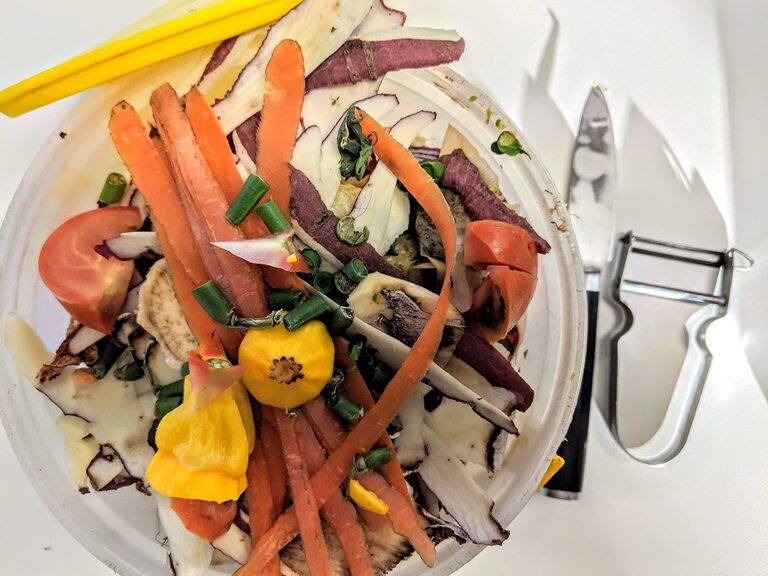
Reducing food waste at home is not only good for the planet but also for your wallet. Every year, millions of tons of food are discarded unnecessarily, contributing to environmental issues like greenhouse gas emissions and resource waste. Fortunately, with some simple changes to how we shop, store, and use food, we can make a big difference. Here are several practical ways to cut down on food waste right in your own kitchen.
Plan Your Meals and Shop Smart
One of the best ways to reduce food waste is to buy only what you need.
Make a Shopping List
Before heading to the grocery store, plan your meals for the week and write a list. Stick to it to avoid impulse buys that may go unused. Taking inventory of what’s already in your pantry and fridge helps prevent duplicating items.
Buy in Smaller Quantities
If possible, buy perishable foods in smaller amounts that you can use before they spoil. Many stores offer produce and bakery items in bulk or smaller packages—choose what fits your household size.
Avoid Pre-cut or Pre-packaged Foods
Cut fruits and vegetables often spoil faster. Buying whole produce and preparing it at home can extend freshness and reduce waste.
Store Food Properly to Extend Freshness
Proper storage can significantly slow down spoilage.
Use Clear Containers
Transfer leftovers and opened items into clear, airtight containers. This keeps food fresh longer and helps you see what you have, preventing forgotten items.
Understand Storage Basics
Some foods stay fresh longer in the fridge, while others do better at room temperature. For example, tomatoes and potatoes should be stored outside the fridge, while dairy and leafy greens belong inside.
Label and Date Items
Mark containers with the date you stored the food. This practice helps you consume older items first to avoid spoilage.
Get Creative with Leftovers
Leftovers are a goldmine for reducing waste.
Repurpose Meals
Transform last night’s roasted vegetables into a frittata or soup. Use stale bread to make croutons or bread pudding.
Freeze Excess Food
Many cooked dishes, fruits, and baked goods freeze well. Portion and freeze them for future quick meals.
Use Scraps Wisely
Vegetable peels and stems can be used to make homemade stock, reducing waste and adding flavor to meals.
Practice Portion Control
Serving the right amount of food helps prevent uneaten leftovers.
Serve Smaller Portions
Start with smaller servings and allow seconds if people are still hungry. This reduces plate waste.
Use Smaller Plates
Research shows people tend to eat less when their plates are smaller, helping control portions.
Compost Food Scraps
Not all food scraps have to go in the trash.
Start a Compost Bin
Composting turns food scraps like fruit peels, coffee grounds, and eggshells into valuable fertilizer for gardens.
Use Community Composting
If home composting isn’t possible, check for local compost drop-off sites or programs.
Educate and Involve Your Household
Food waste reduction works best when everyone participates.
Share Knowledge
Talk about food waste with family members or roommates and discuss ways to improve habits together.
Get Kids Involved
Encourage children to help plan meals, shop, and cook. Teaching them about food waste promotes lifelong good habits.
Monitor and Reflect on Your Progress
Tracking food waste can motivate you to do better.
Keep a Waste Diary
Note what foods you discarding and why. This can help identify patterns and areas for improvement.
Celebrate Small Wins
Reducing food waste is a gradual process. Celebrate improvements to stay motivated.
—
By adopting these habits, you can greatly reduce food waste at home. The benefits go beyond saving money — you’ll also contribute to a healthier planet by conserving resources and reducing landfill waste. Start small, stay consistent, and see how these simple steps can make a big impact.